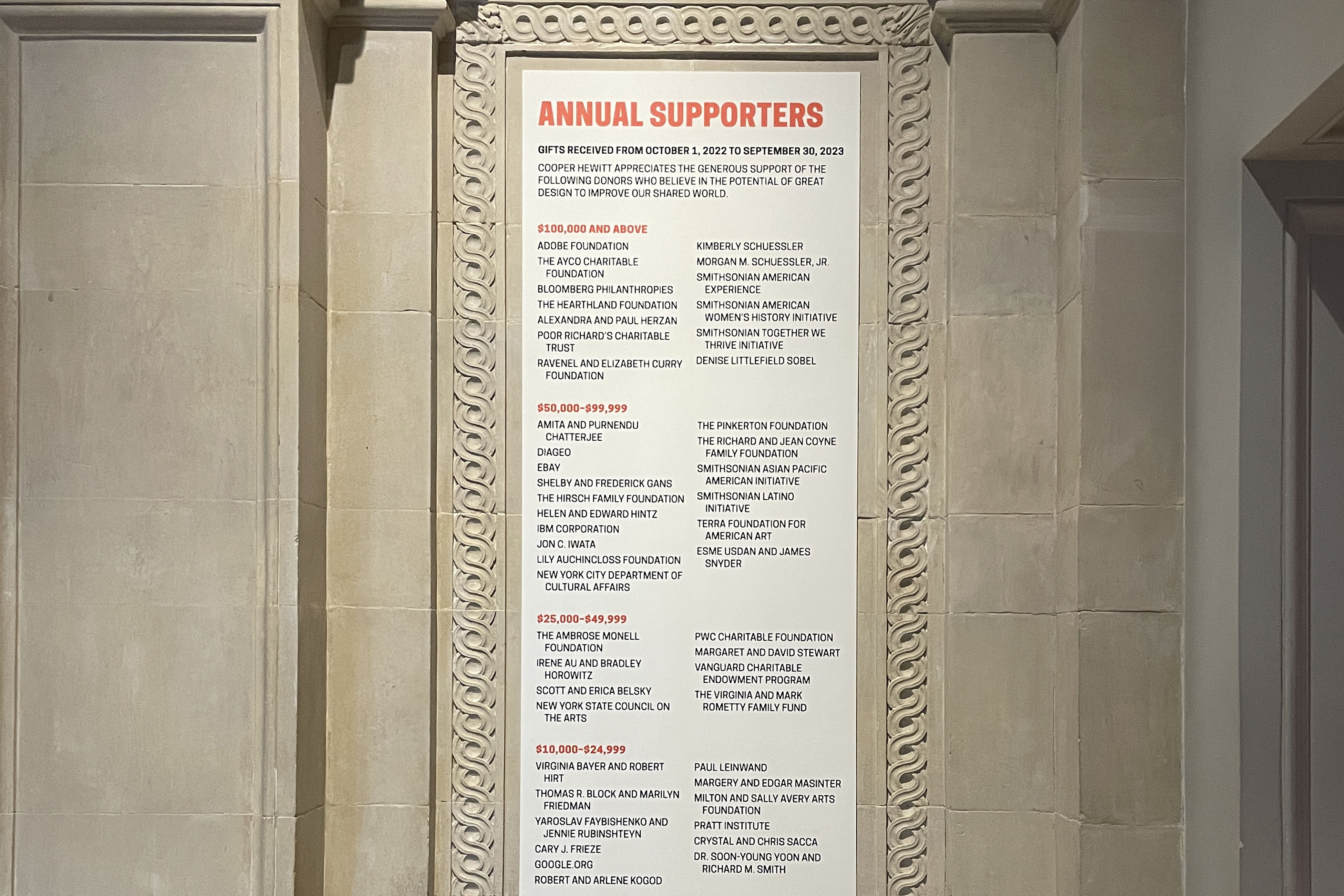
Cooper Hewitt Smithsonian
Design Museum
Wayfinding Case Study, Marketing Design, Signages
Role: Design Intern, Researcher
Tools: Illustrator, Photoshop, After Effects
Supervisor: Ann Sunwoo
Wayfinding Solution for the Garden Entrance
Challenge
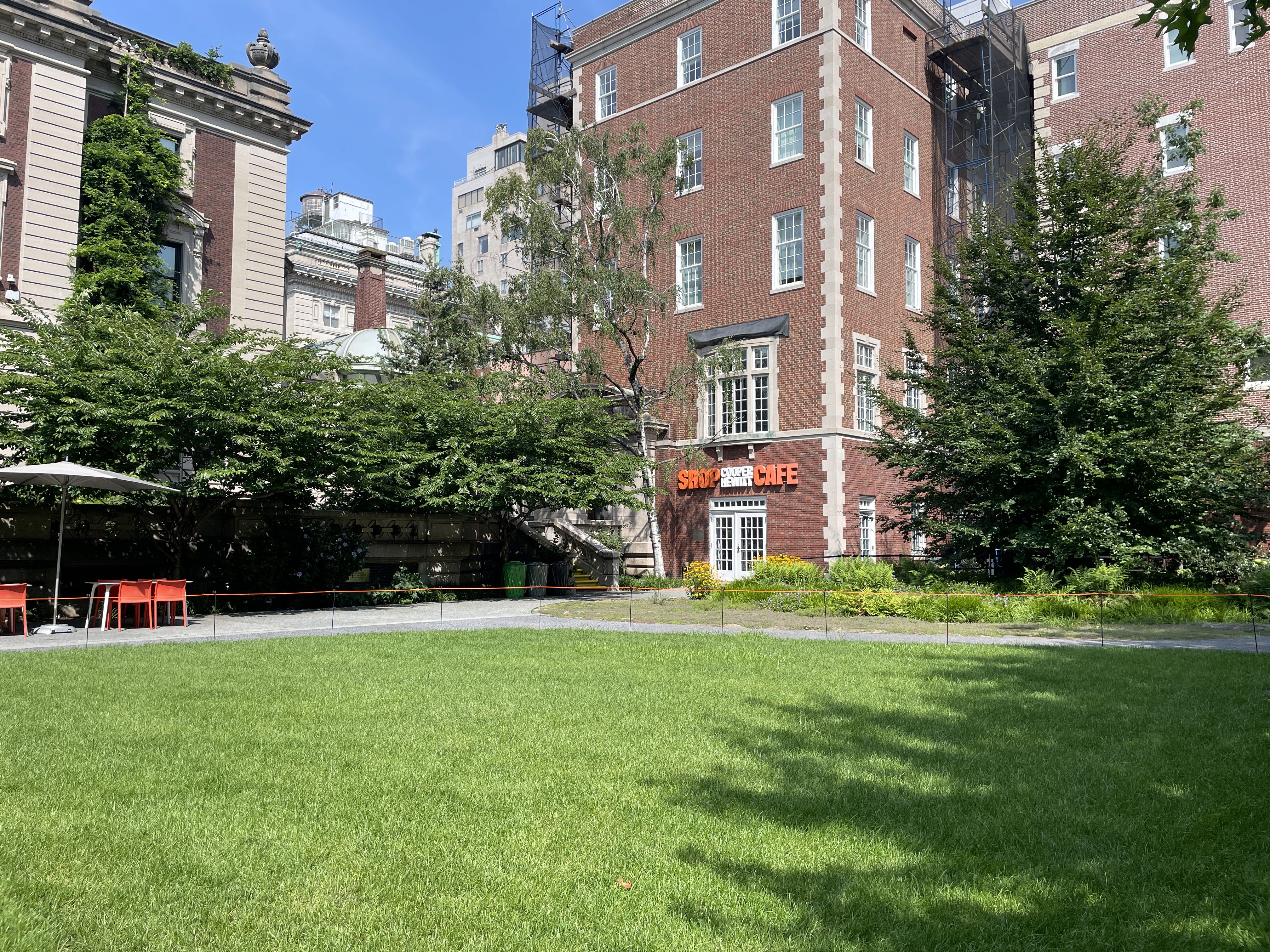
Cooper Hewitt's garden is open to public which brings a traction from surrounding residential area. Occasionally, it is also used as event venue for both Cooper Hewitt and outside events.
Museum has two entrance: front and garden. Despite being the daily site to the surrounding community, Cooper Hewitt's garden does not bring as much visitor traffic.
Objectives
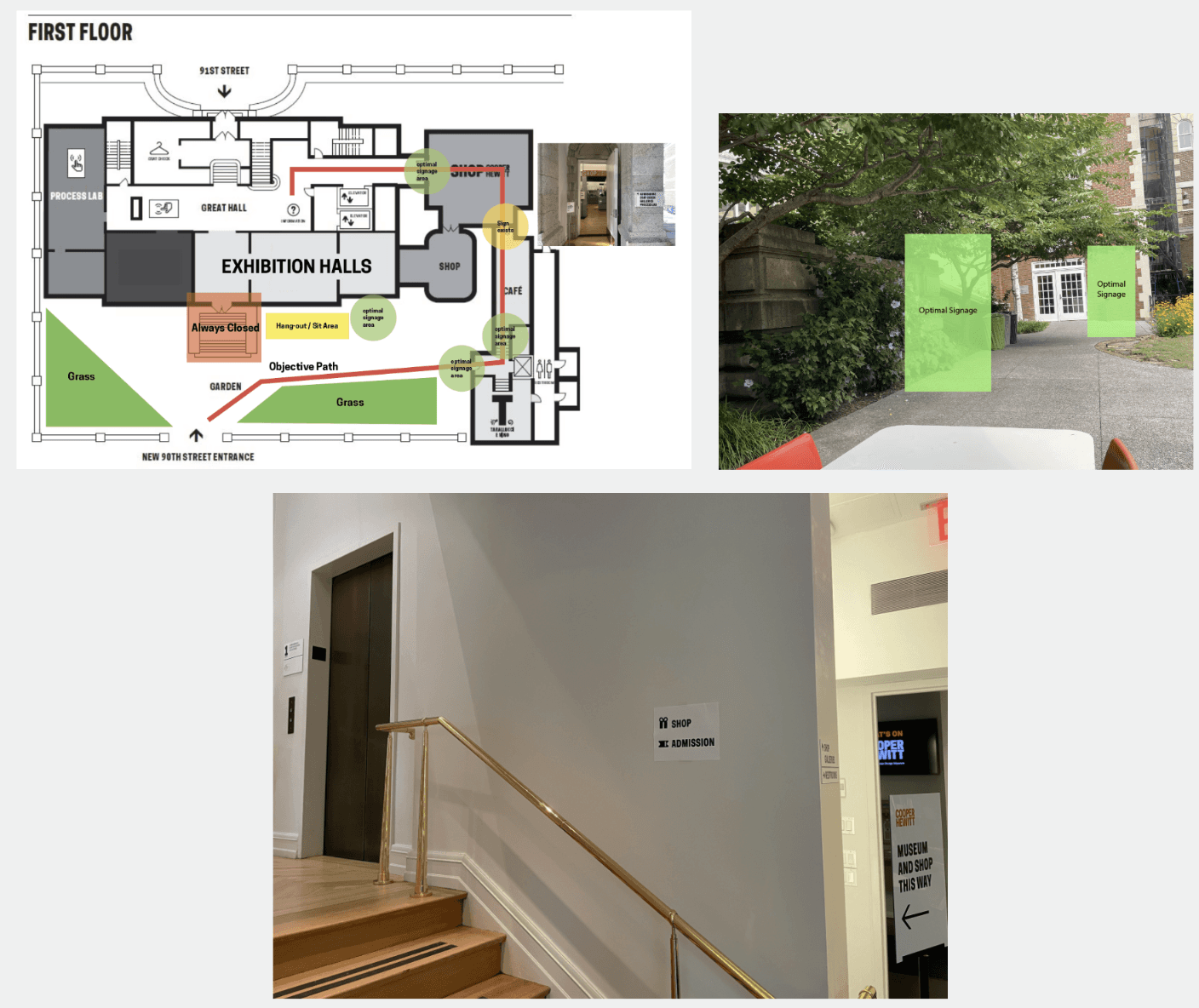
Creates a visitor flow that takes visitors from garden to admissions through museum cafe and shop.
Signage that is suitable with the garden's lively atmosphere.
Signage that is removable when the garden is used as an event venue.
Solution
The solution I proposed was to use cubicle structured modular signages in the garden area, and have normal museum wall signs inside the building.
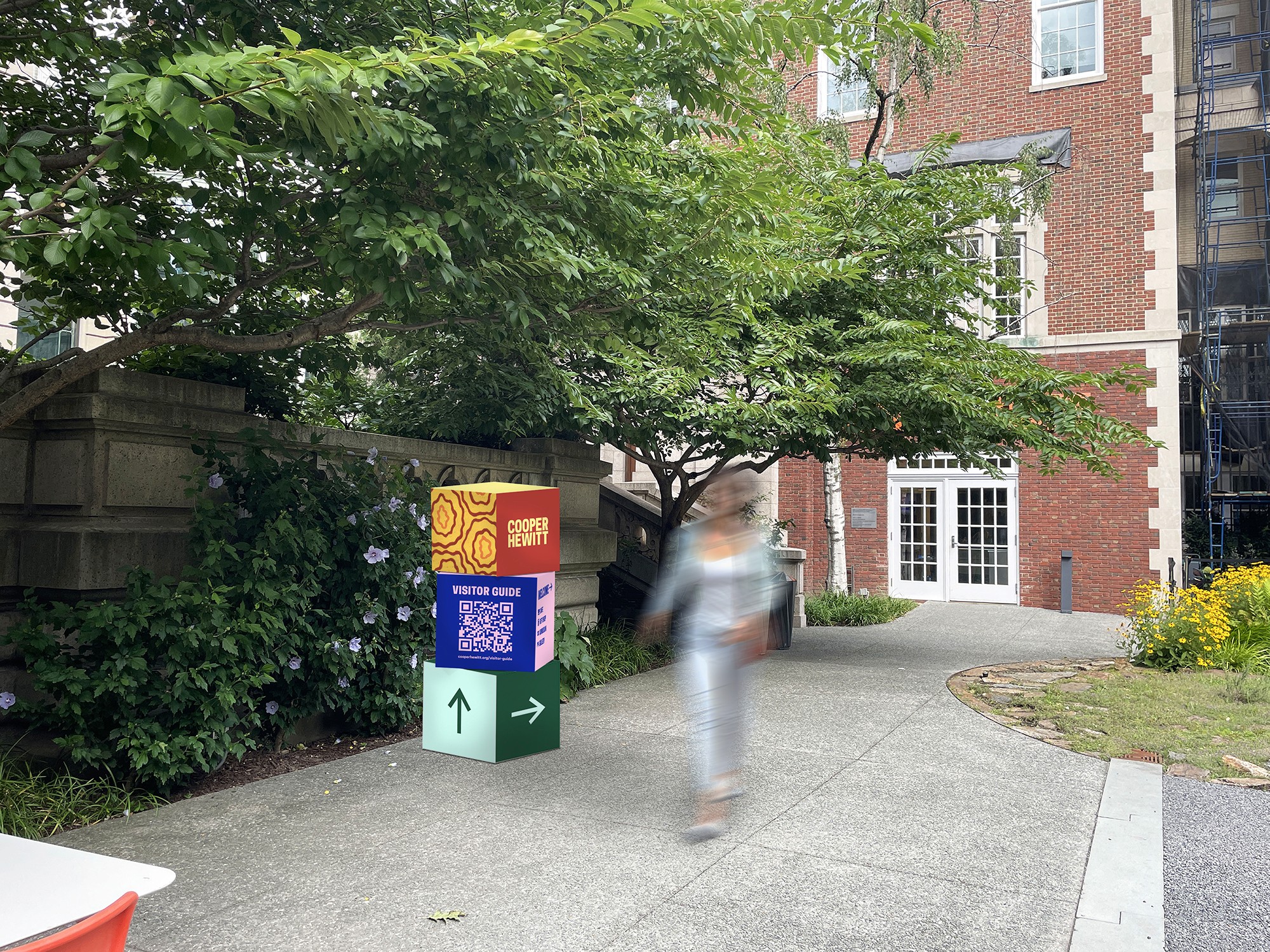
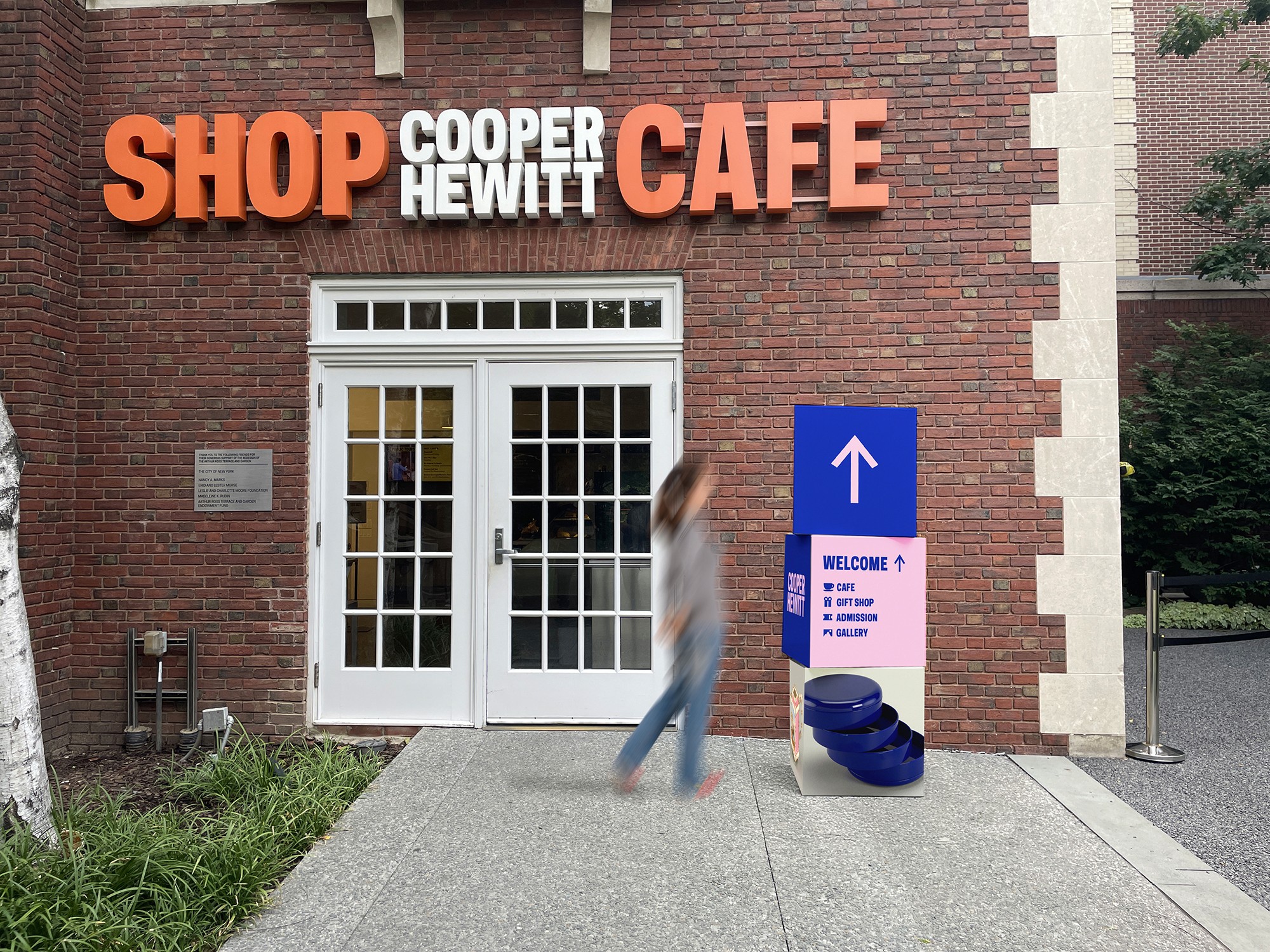
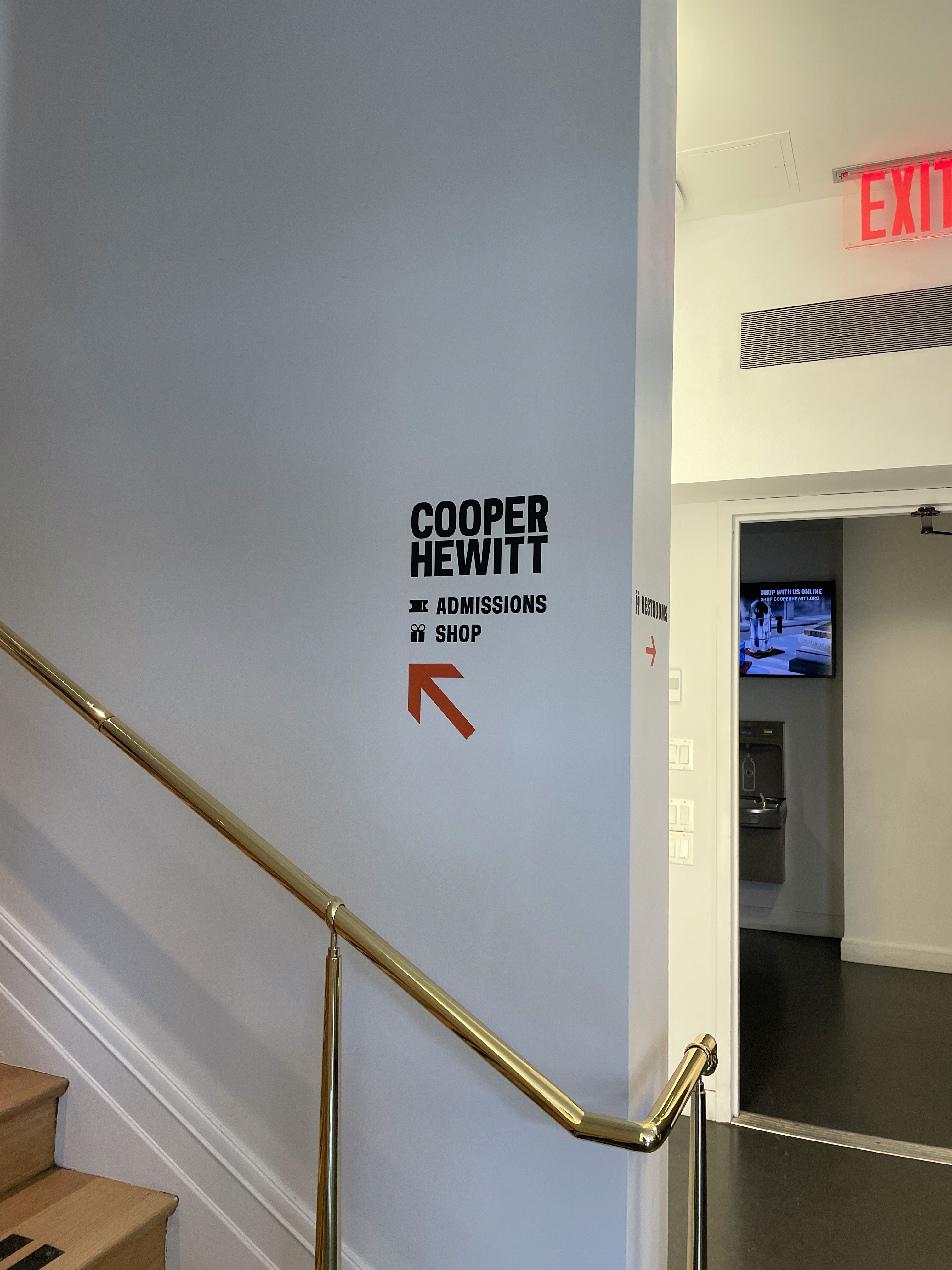
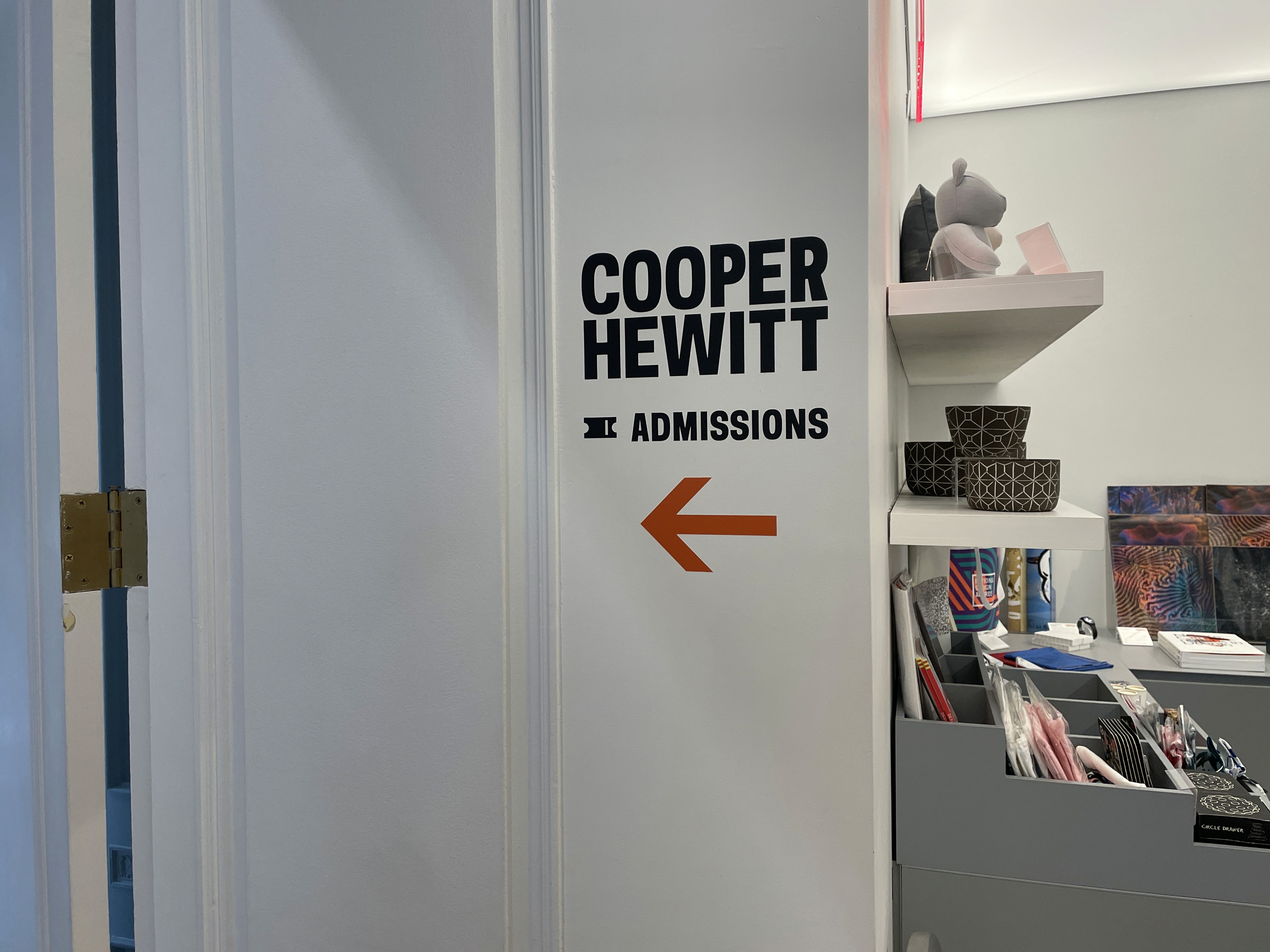
These became a real signages at Cooper Hewitt.
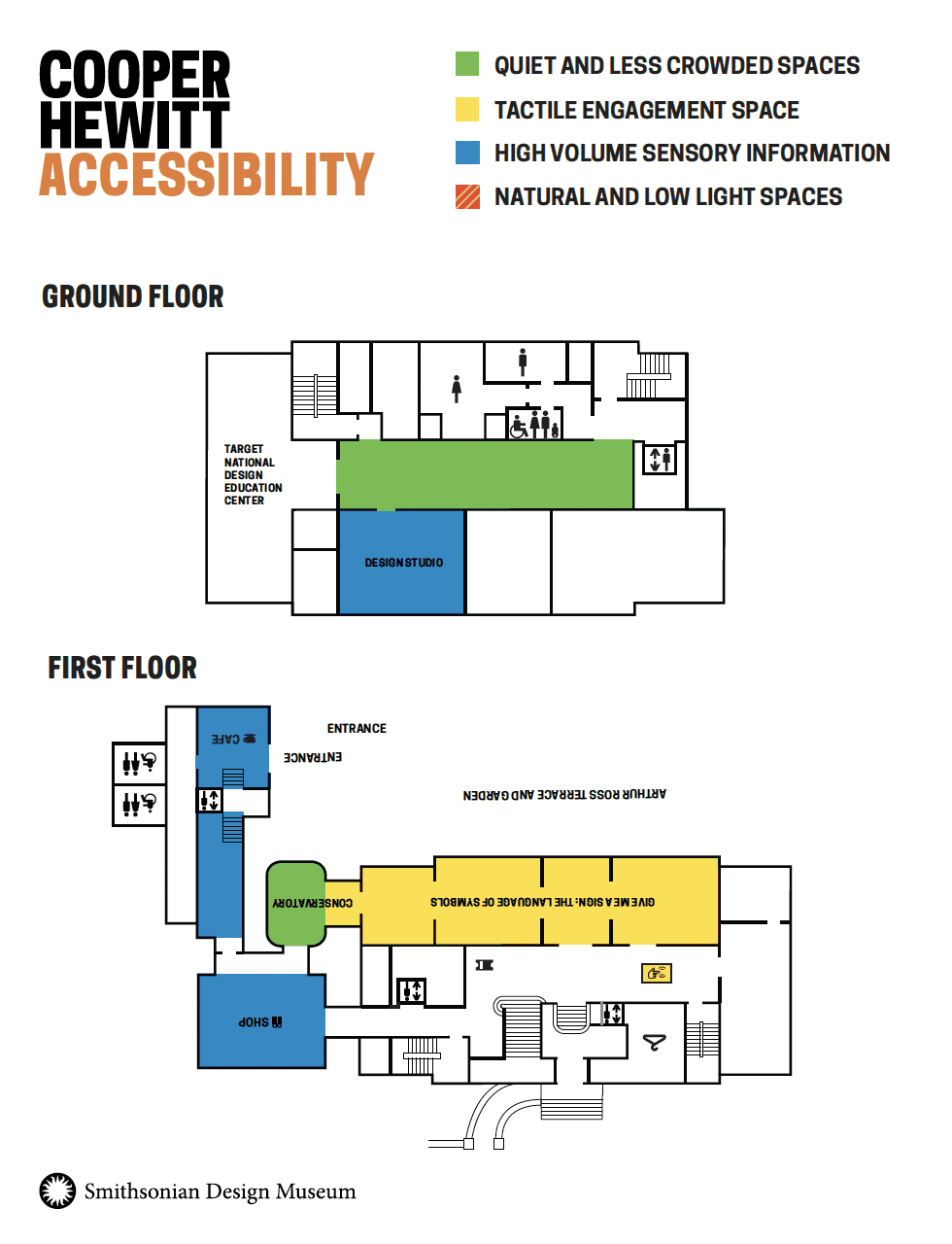
Visualizing Sensory Information through Color-Coded Icon System
Challenge
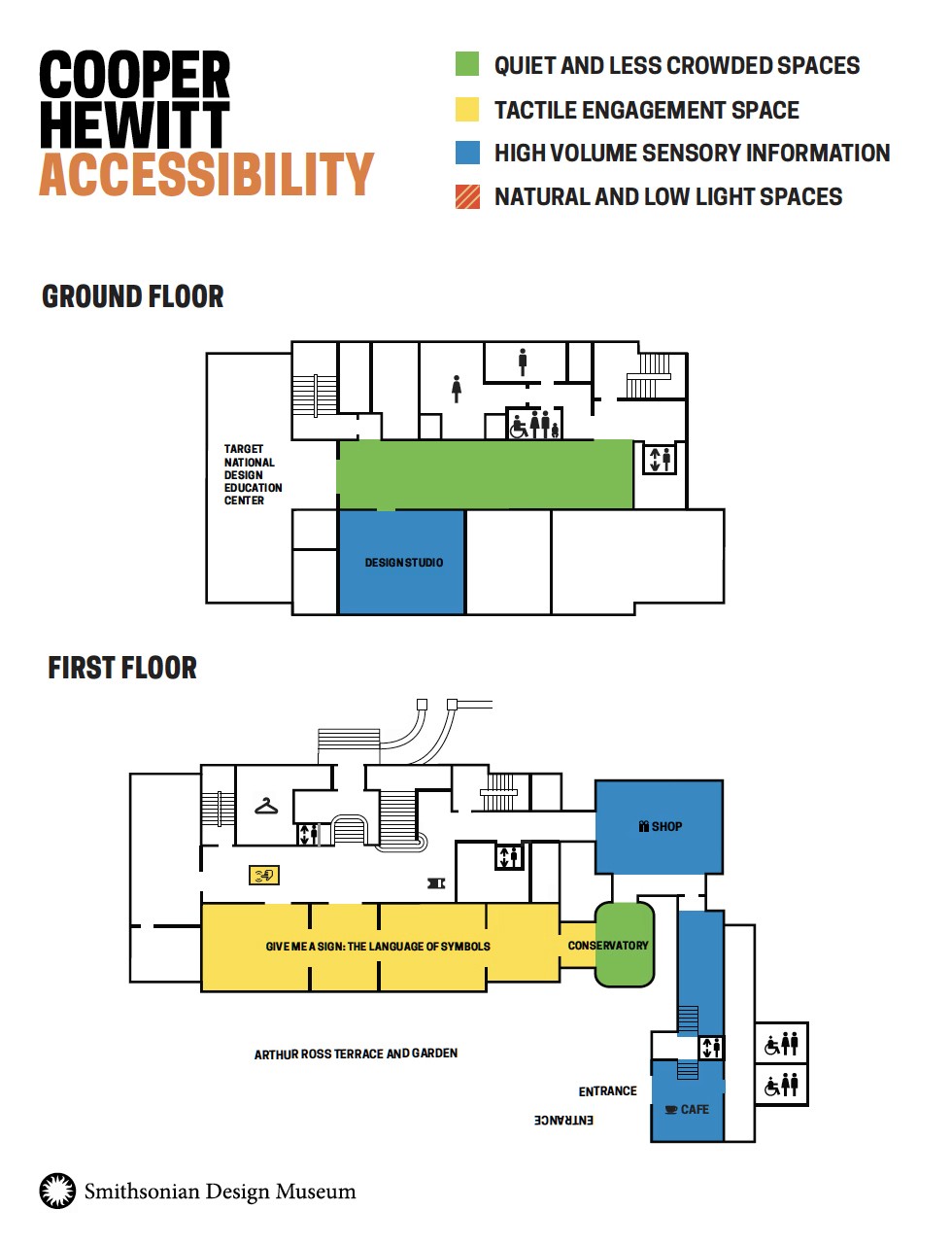
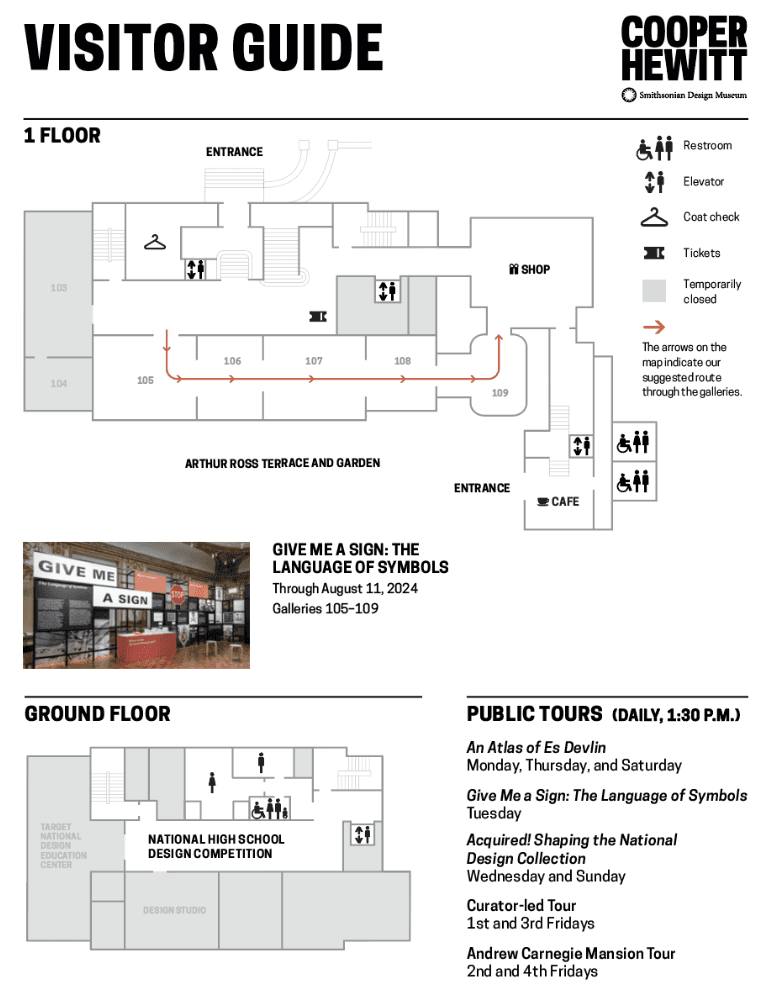
At Cooper Hewitt, Each exhibition room has a different levels of noise, volume, light-level which makes the experience challenging for visitors
with sensory needs. The Museum currently uses separate color-coded sensory map.
However, using the separate map requires people in need to use two different maps while navigating the museum.
Objective
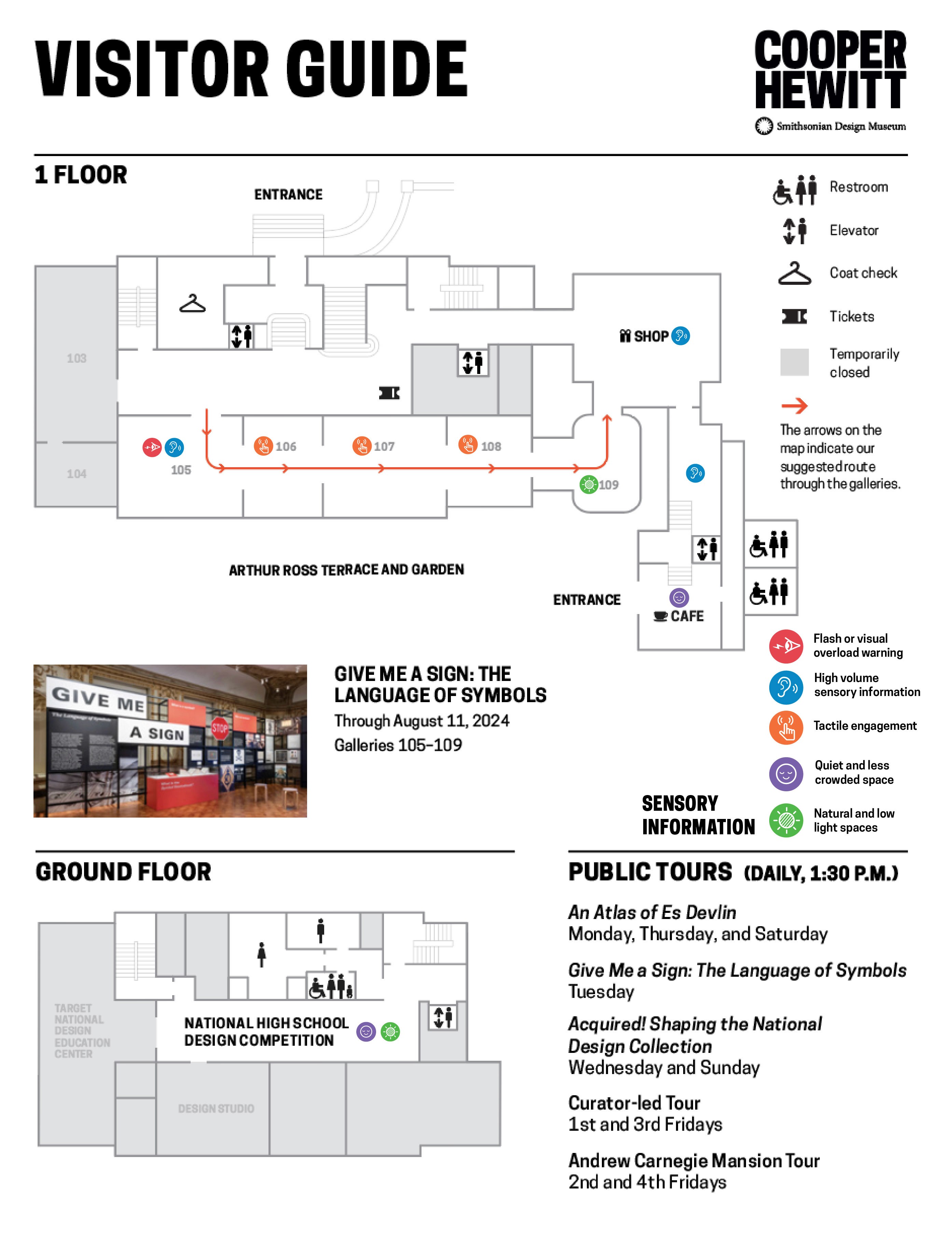
Find ways to represent sensory information effectively on exhibition map.
Solution
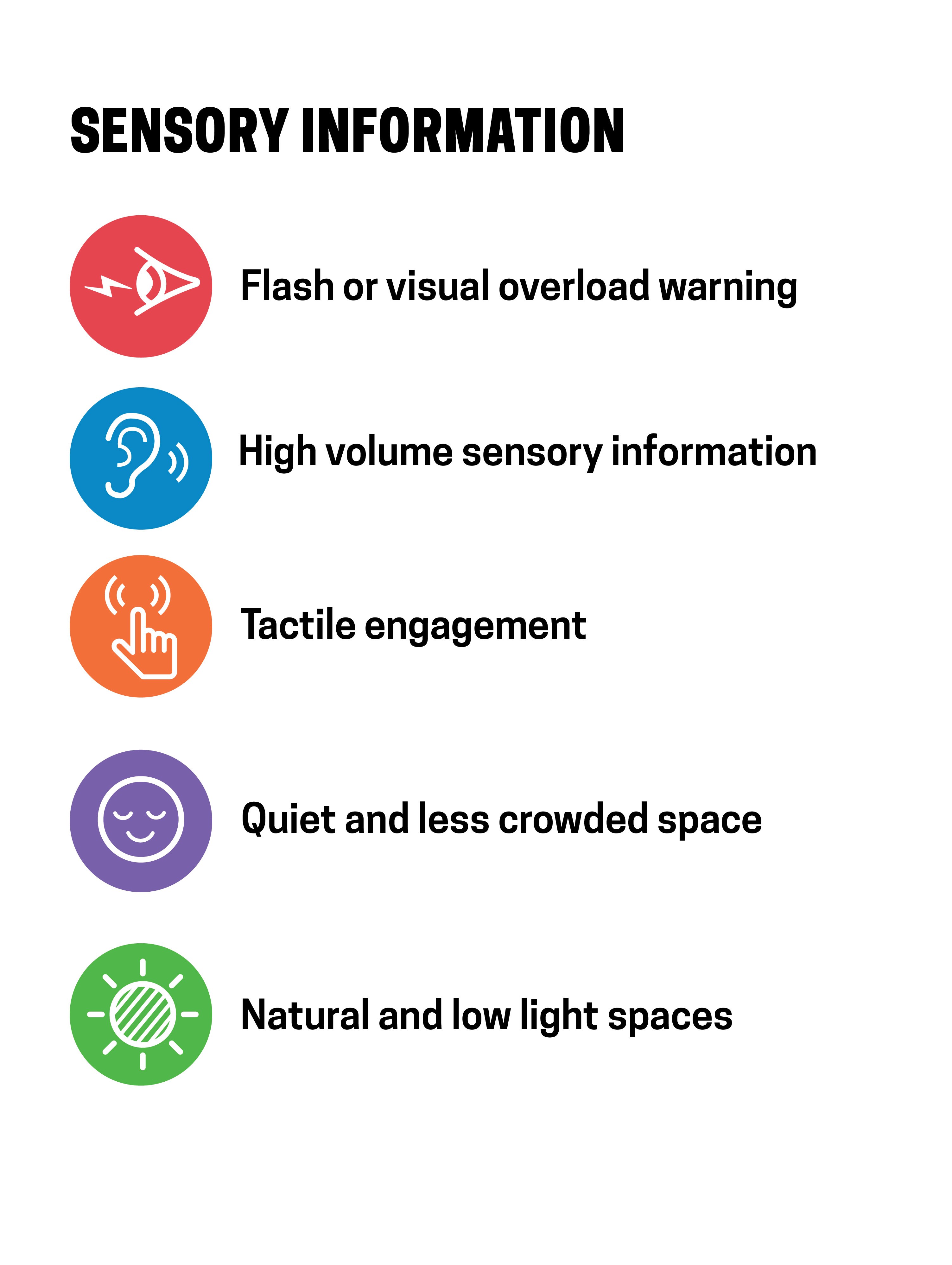
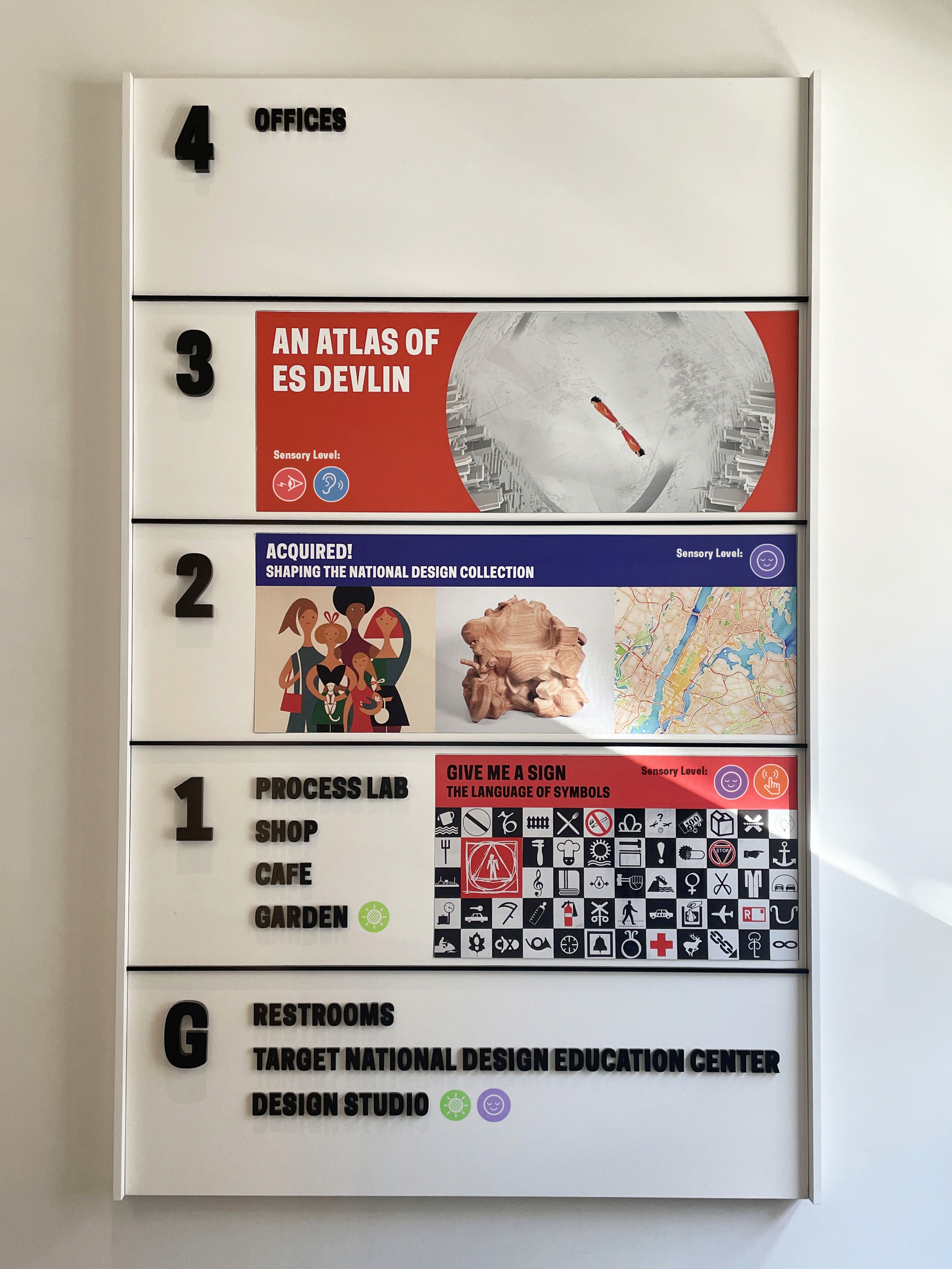
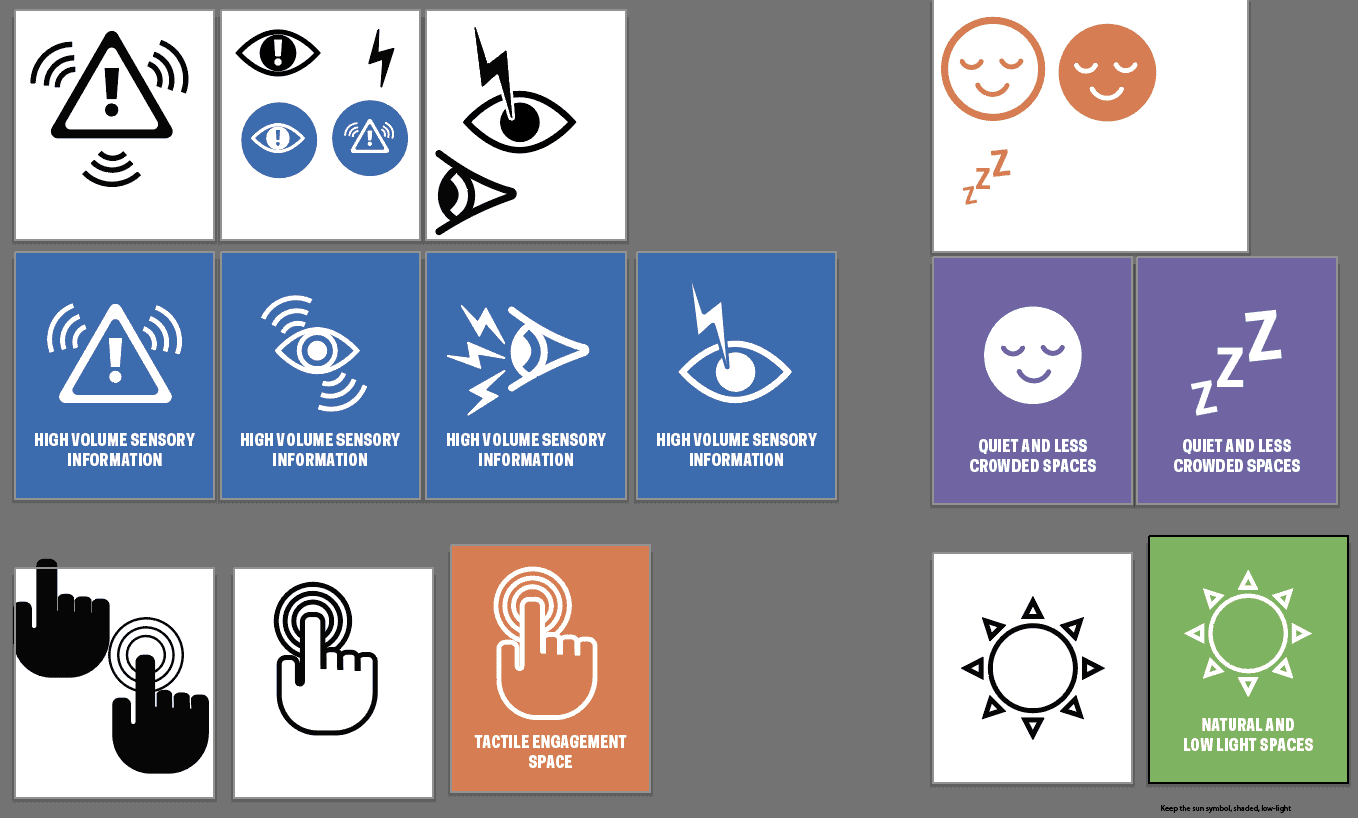
The solution I proposed was to use color-coded iconography system presenting the sensory information.
In-House Design Work
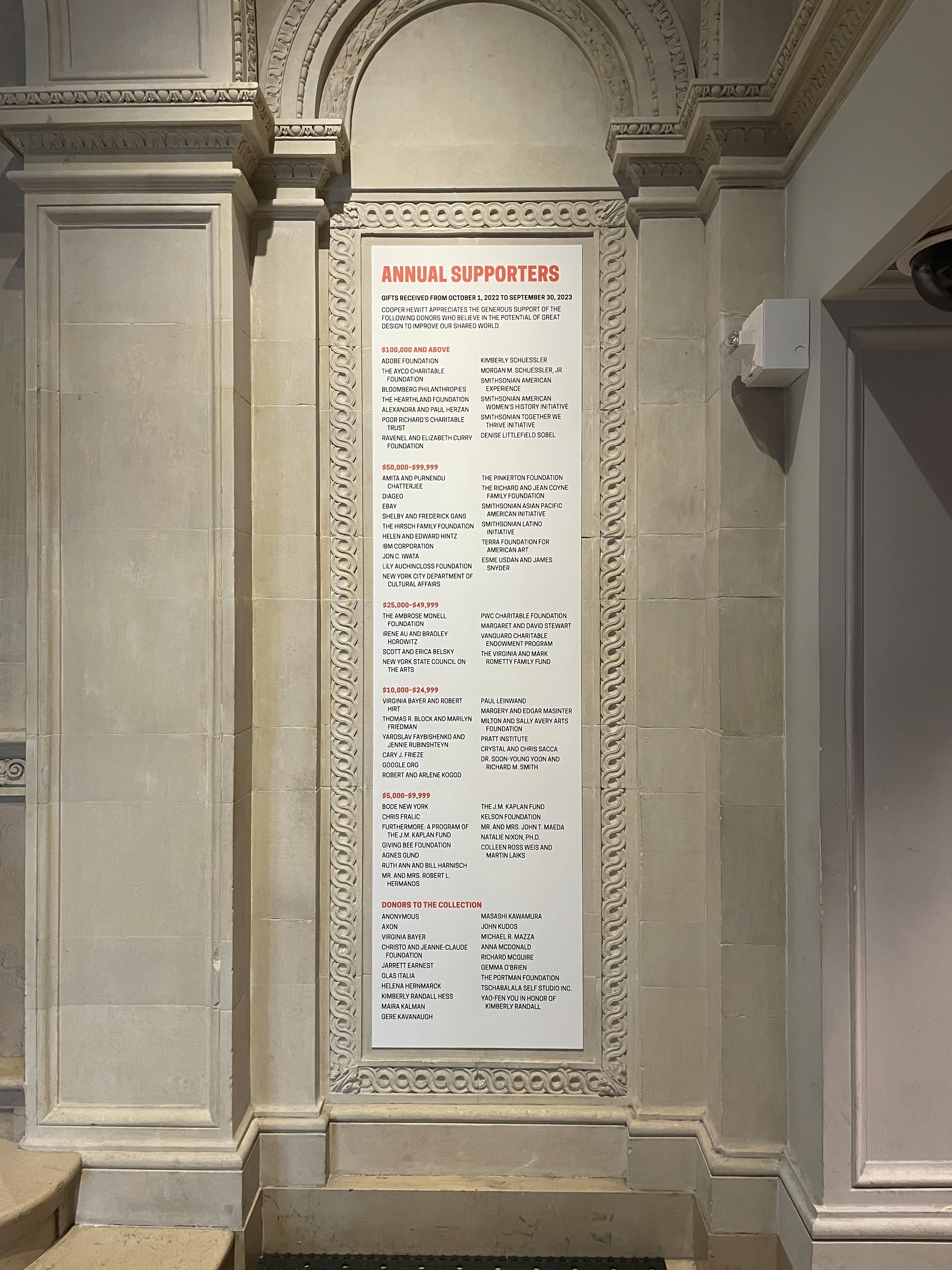
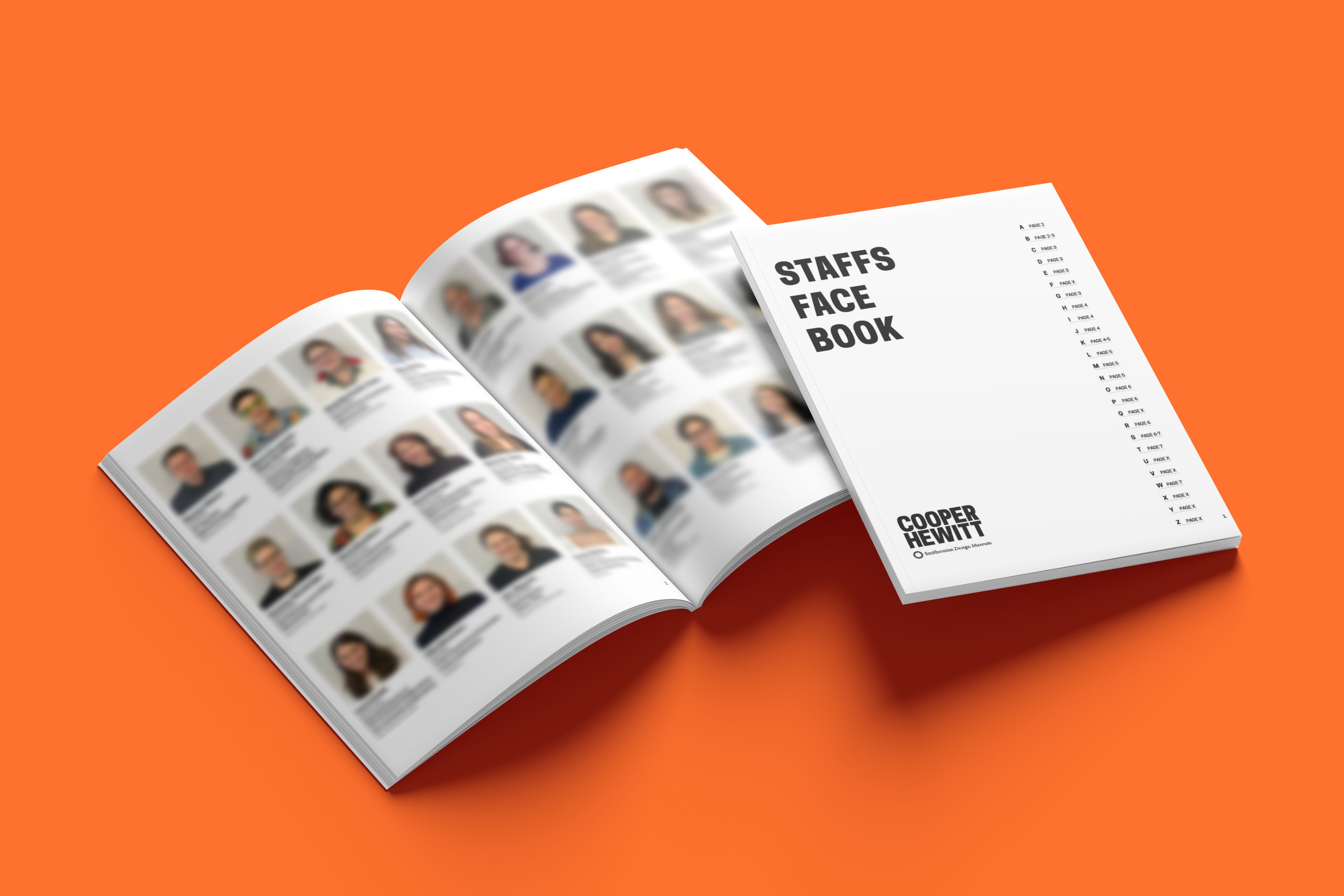


Cooper Hewitt Smithsonian
Design Museum
Wayfinding Case Study, Marketing Design, Signages
Role: Design Intern, Researcher
Tools: Illustrator, Photoshop, After Effects
Supervisor: Ann Sunwoo
Wayfinding case study
Challenge 1
Cooper Hewitt's garden is open to public which brings a traction from surrounding residential area. Occasionally, it is also used as event venue for both Cooper Hewitt and outside events.
Museum has two entrance: front and garden. Despite being the daily site to the surrounding community, Cooper Hewitt's garden does not bring as much visitor traffic.
Objectives
Creates a visitor flow that takes visitors from garden to admissions through museum cafe and shop.
Signage that is suitable with the garden's lively atmosphere.
Signage that is removable when the garden is used as an event venue.
Solution
The solution I proposed was to use cubicle structured modular signages in the garden area, and have normal museum wall signs inside the building.
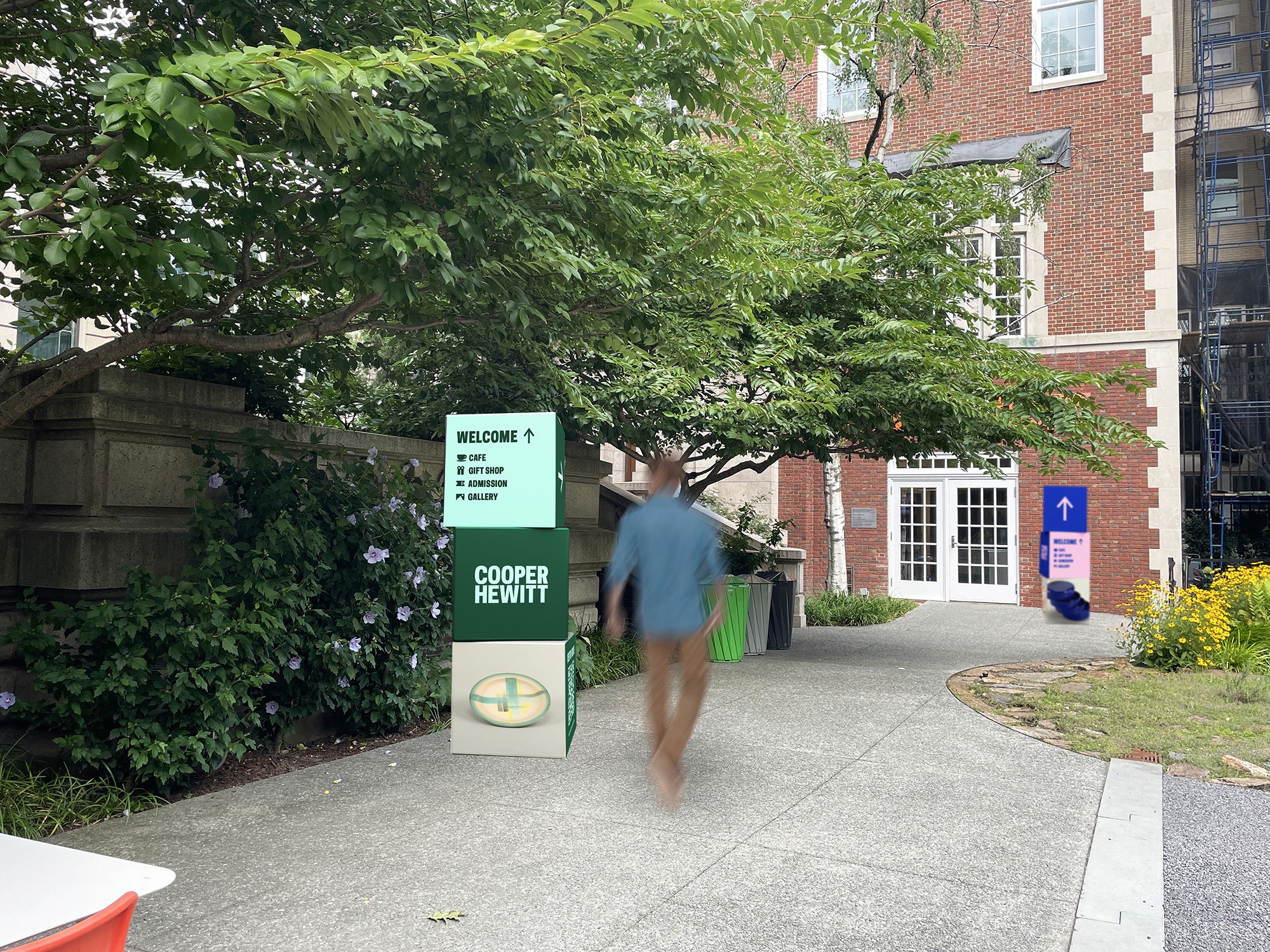
These became a real signages at Cooper Hewitt.
Challenge 2
Each exhibition room has a different levels of noise, volume, light-level which makes the experience challenging for visitors with sensory needs. The Museum currently uses separate color-coded sensory map.
However, using the separate map requires people in need to use two different maps while navigating the museum.
Objective
Find ways to represent sensory information effectively on exhibition map.
Solution
The solution I proposed was to use color-coded iconography system presenting the sensory information.
Work in Progress
In-House Design Work
©Myagmarsuren Olonbayar
2023-2026
designer who focuses on branding,
marketing, and environment for
startups, institutions, small
businesses & artists.